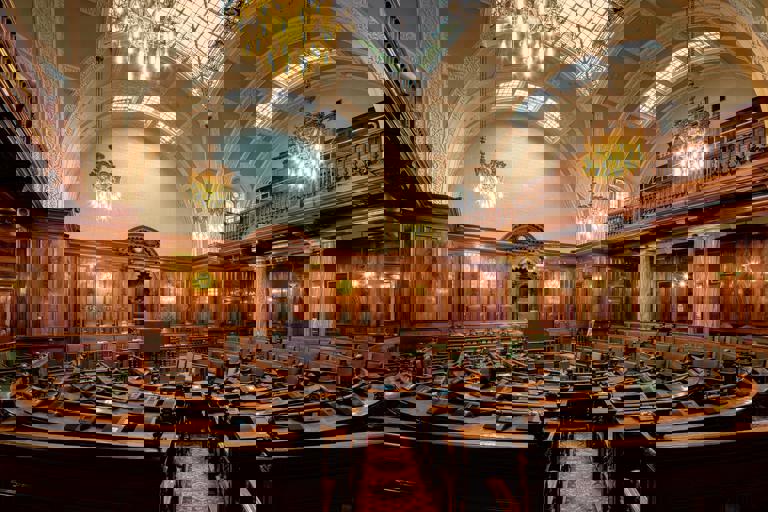
The recent revelation of an unexpected budget surplus has jolted the federal political scene, sparking a lively and, at times, heated debate within Parliament and among the Australian public. Initial forecasts had suggested a tighter fiscal outlook, but updated figures released last week now reveal a surplus far exceeding earlier projections. This development has led to intense discussion about the allocation process and the underlying causes behind the windfall.
Treasurer Jim Chalmers announced the surplus during a special parliamentary session, shifting the focus from anticipated deficits to newfound financial flexibility. The abrupt change in fortunes, attributed partly to higher-than-expected tax receipts and robust export markets, caught many observers by surprise. Chalmers emphasised the government’s commitment to responsible management, but conceded that the sudden inflow raises significant questions about future spending priorities.
Opposition leader Peter Dutton swiftly challenged the government’s handling of the surplus, arguing that the allocation process lacked transparency and adequate consultation with Parliament, the states, and various stakeholders. “Australians deserve clarity and accountability when billions of extra dollars are at stake,” Dutton asserted during the parliamentary debate. His remarks echoed concerns from policy experts and citizens seeking more insight into government decisions.
At the heart of controversy is the government’s plan to channel a sizeable portion of the surplus into targeted infrastructure and social spending packages. While supporters argue that the allocations could accelerate much-needed improvements in health, education, and transport, critics caution that such rapid distribution of funds risks mismanagement or insufficient oversight. These concerns are fueling calls for greater scrutiny of the process.
Prominent independent senator Jacqui Lambie weighed in, advocating for a bipartisan committee to oversee future surpluses. “Surpluses like this are rare, and we must make every dollar count for Australians,” Lambie stated. She urged that allocations be based on a transparent framework, ensuring that priority needs—such as rural broadband and mental health services—are adequately addressed rather than purely political priorities.
Public reaction to the surplus news has been mixed. While some Australians welcome the government’s capacity to invest in social programs without increasing debt, others question whether the surplus should be used to provide cost-of-living relief amid rising inflation. “We’re seeing families struggle, so using some of this surplus to ease their burden should be a top priority,” said economist Dr. Susan Lee, reflecting a widely held sentiment.
Debate has also intensified around fiscal policy and long-term planning. Critics argue that windfall surpluses should not prompt short-term spending sprees. Instead, they suggest investing in future resilience by bolstering sovereign wealth funds or strengthening disaster preparedness. Proponents of this approach believe it would help shield the nation from future economic shocks and offer more enduring benefits.
The government’s opponents have called for a full parliamentary inquiry into the budgetary process that led to the overlooked funds. They contend that existing forecasting models and auditing procedures may require reevaluation. “This isn’t just about money—it’s about the systems underpinning our public finances,” warned Greens leader Adam Bandt. Ensuring rigorous oversight is now seen as crucial to maintaining public trust in government finances.
As the debate rages, business and industry groups have entered the conversation, urging that a portion of the surplus be directed toward productivity enhancements, innovation incentives, and workforce training. The Australian Chamber of Commerce and Industry released a statement observing, “A carefully managed surplus offers the government an opportunity to foster sustainable economic growth, provided investments are strategic and not purely political gestures.”
Looking ahead, the challenge for Parliament remains balancing immediate social needs with long-term fiscal stability. The government has promised wider consultations and enhanced transparency for future surplus management, setting the stage for what is likely to be an ongoing national discourse. As politicians, economists, and citizens weigh competing priorities, the unexpected budget surplus stands as both an opportunity and a test of Australia’s financial stewardship.