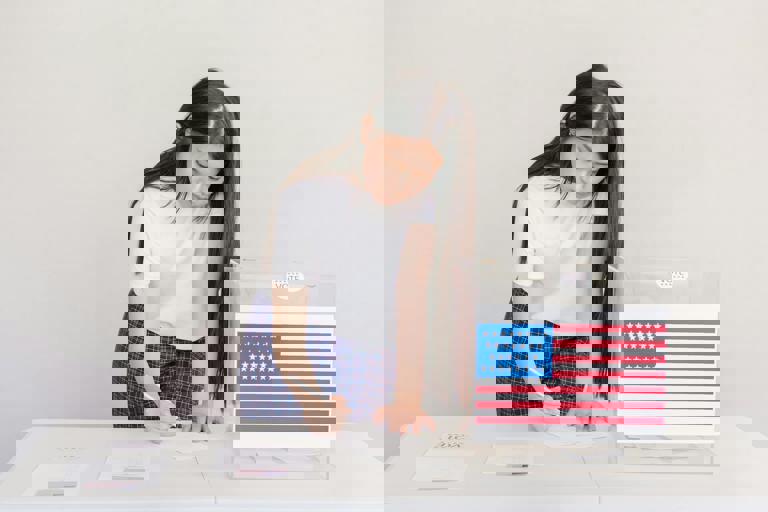
A renewed campaign to lower the legal voting age has gained significant traction in the national political arena, as lawmakers and youth organizations intensify their advocacy ahead of a looming policy review. The movement, which seeks to grant 16- and 17-year-olds the right to participate in elections, has been gathering support both within parliament and across the country, marking a pivotal moment in the ongoing debate surrounding youth engagement in democratic processes.
Proponents argue that today’s younger generation are more informed and connected to political issues than ever before. Youth organizations, such as the Australian Youth Affairs Coalition, are leading the effort, citing studies that show a high level of civic awareness among teenagers. “Sixteen- and seventeen-year-olds are already working, paying taxes, and contributing to society. Yet, their voices are excluded from one of the most fundamental democratic rights,” said AYAC spokesperson, Claire Moran.
The push to lower the voting age has also received backing from prominent political figures across major parties, with a crossbench coalition emerging in recent sessions. Greens MP Jordan Steele-John has introduced a private member’s bill calling for the change, which he claims reflects shifting societal attitudes. “Allowing young people to vote is about strengthening our democracy and empowering those who will live longest with the decisions made today,” stated Steele-John during a recent parliamentary debate.
Recent polling data reveals that a substantial portion of the Australian public is open to reforming the voting age. A recent survey by the Australian National University found that approximately 58% of respondents were either supportive or strongly supportive of lowering the voting age to 16. This statistical shift suggests growing acceptance of youthful participation in traditional political processes, particularly among urban and progressive demographics.
Critics, however, remain unconvinced. Some argue that 16- and 17-year-olds lack the maturity and life experience required to make informed political choices. “The focus should be on education and personal development, not prematurely involving teenagers in matters of state,” said opposition MP Michael Turner, voicing concerns commonly echoed by more conservative sections of the community.
Despite the ongoing debate, there is consensus across most parties on the importance of fostering political engagement among young Australians. Initiatives to improve civics education in schools have gained bipartisan support, with many advocates suggesting that pairing a reduced voting age with enhanced educational programs could better prepare future voters and counteract apathy.
Advocacy groups have leveraged social media campaigns and grassroots petitions to rally support for their cause. The widely circulated #LetUsVote hashtag has trended nationally on several occasions, with young activists sharing stories of their exclusion from decisions that directly impact their education, climate policy, and employment opportunities. This digital activism has raised public visibility and placed additional pressure on parliamentarians to address the issue in the upcoming policy review.
Internationally, Australia is not alone in debating a younger franchise. Countries such as Austria, Scotland, and Brazil already allow voting from the age of 16, citing increased voter turnout and long-term democratic engagement as positive outcomes. Australian advocates often reference these examples, arguing that early involvement in elections establishes lifelong voting patterns, which become crucial in sustaining democratic health.
In anticipation of the policy review, parliamentary committees are soliciting feedback from schools, youth organizations, academic institutions, and the public. This consultative process aims to ensure a diversity of opinions is reflected before any legislative decisions are made. Many young Australians have welcomed this effort, viewing it as an opportunity to share firsthand experiences and articulate their readiness for formal political participation.
The outcome of the upcoming review could reshape the landscape of Australian democracy and set a precedent for youth representation in politics. As lawmakers balance public opinion, international precedent, and constitutional considerations, the debate about lowering the voting age remains one of the most significant conversations shaping the country’s political future. Whatever the eventual decision, the campaign has already prompted a wider discussion about inclusion and the evolving nature of civic engagement in Australia.