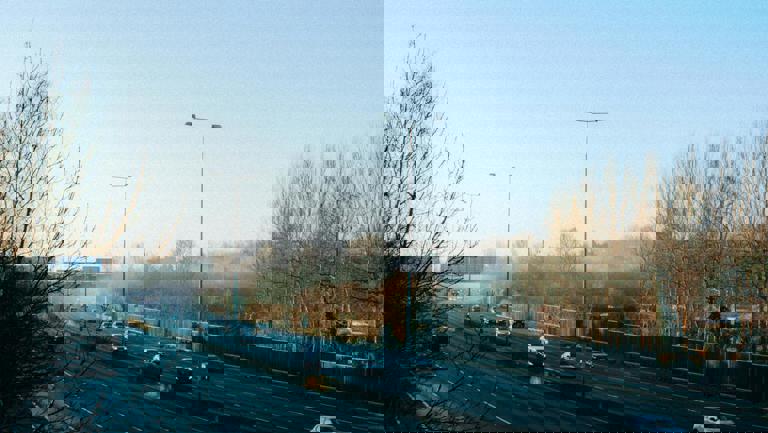
Commuters across multiple suburbs faced a morning of frustration and mounting delays after a major highway was suddenly closed overnight due to unplanned roadworks. The closure, which affected a route widely relied upon for daily travel, left thousands caught off guard as they attempted to navigate their morning routines. Many reported significant travel time increases, with some journeys extending by over an hour compared to usual expectations.
Authorities began work on the normally bustling thoroughfare late last night, citing urgent maintenance issues that, according to transport department representatives, could not be postponed. However, community members and advocacy groups are questioning the lack of advance notice. "It just doesn’t make sense to spring this on everyone with no warning," commented local resident Tanya Greene, who endured a two-hour delay en route to her workplace this morning.
Traffic reports from early dawn indicated persistent gridlock throughout suburban feeder roads, as motorists sought alternate routes in an attempt to circumvent the shutdown. Public transport services were also affected, with buses caught in the gridlock and express services forced to detour or skip stops. Several frustrated commuters took to social media to voice their concerns and share photos of heavily congested intersections.
Emergency services were called to manage the sudden inflow of vehicles into streets not designed for heavy traffic volumes. Police officers directed motorists away from the affected highway, while flashing signboards advised drivers to seek alternative routes. Despite these efforts, the sheer number of vehicles quickly overwhelmed available detours, leading to extended delays even on secondary roads.
Transport for NSW has said that the closure was implemented due to an urgent safety risk discovered during routine inspections. A spokesperson explained, "Our engineers identified an immediate hazard beneath the road surface that required prompt action to address." While safety is their primary concern, the spokesperson acknowledged the disruption and pledged to improve communication for future incidents.
Business owners in affected suburbs also reported significant losses due to the disruption, with some local shops experiencing a sharp drop in customer foot traffic. "Our deliveries were delayed and we had hardly any customers until late morning," said Arjun Patel, who runs a small café near the now gridlocked intersection. Many business operators are calling for compensation or support to offset the day’s losses.
The incident has reignited debate around infrastructure planning in the region, particularly the dependency on single major roads for suburban connectivity. Urban planning experts suggest that investing in alternative transport options and ensuring resilient travel networks could mitigate future disruptions. Dr. Lila Thompson, a lecturer in urban mobility, remarked, "Redundancy in transport infrastructure is crucial for cities to absorb unplanned events like these without grinding to a halt."
Schools in the affected areas also felt the impact, as parents and students struggled to arrive on time. Several principals reported that attendance was noticeably low during the first classes of the day, and teachers had to adjust lesson plans due to absentees and late arrivals. School buses were delayed, compounding the challenges faced by families dependent on public transport for their morning commute.
In response to mounting criticism, government officials have promised an internal review of the communication protocols that led to the unanticipated nature of the closure. They acknowledged that a lack of timely alerts exacerbated the confusion and inconvenience for commuters. Transport Minister Olivia Clarke stated, "We aim to learn from this and ensure better preparation and updates for the public in the future."
As the affected highway is expected to remain closed for at least another 24 hours, commuters are being urged to allow extra travel time and consider remote work options if feasible. Updates will be provided through local radio, transport apps, and social media. The broader incident has underscored the significance of clear communication and resilient transport networks in mitigating the far-reaching effects when essential infrastructure is suddenly compromised.