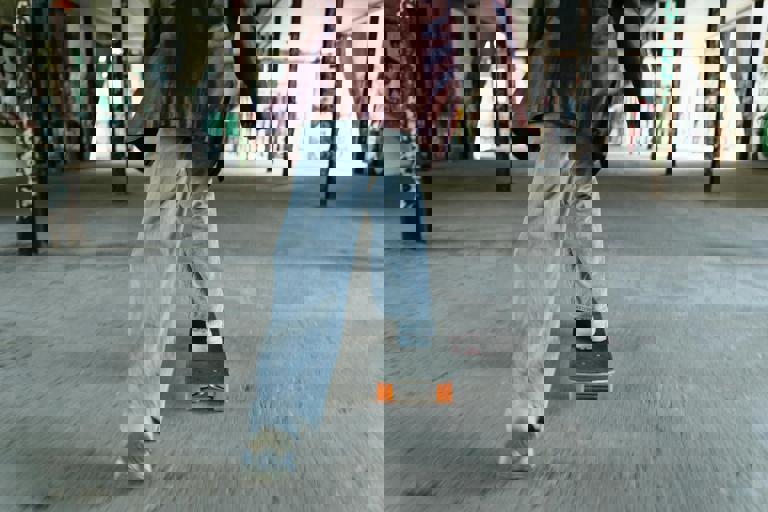
An abandoned warehouse that once stood as a symbol of urban decay has undergone a dramatic transformation, now serving as a vibrant indoor skate park. This change follows a persistent community effort, with local residents rallying together through a petition demanding a safe, inclusive recreational space for young people. The warehouse’s new lease on life is widely seen as a testament to the power of grassroots activism and community engagement in shaping public spaces.
For years, the warehouse had been a source of concern for families in the area, who worried about safety hazards and antisocial behaviour associated with its derelict state. Broken windows, graffiti, and scattered debris defined its former image, prompting calls for intervention from residents and local officials alike. Many neighbours had expressed fears that the site was attracting vandalism and illegal activities, further underscoring the urgent need for positive change.
The road to redevelopment began with a community-led petition that garnered over 3,000 signatures in just two months. Parents, youth advocates, and schools collaborated to highlight the lack of adequate recreational facilities in the city, particularly for teenagers. According to Emma Williams, a campaign organiser, “We saw this warehouse not as an eyesore, but as an opportunity. Our young people needed somewhere safe to skate, connect, and express themselves.”
City councillors responded to the petition by initiating consultations with stakeholders, including local youth, business owners, and architects. Funding became a critical point of discussion, with various community groups proposing options ranging from public grants to private sponsorships. Ultimately, a combination of council funds and a grant from a national sporting initiative enabled the conversion of the warehouse into a safe, regulated venue for skating and other urban sports.
The design process was notable for its emphasis on inclusivity and accessibility. Architects collaborated with skaters of all skill levels to integrate features such as ramps, rails, and beginner-friendly zones alongside more advanced structures. Ample seating, safety lighting, and first-aid facilities were installed to foster a welcoming environment for both participants and spectators. The final design also incorporates mural spaces, allowing for local artists to contribute creative expressions.
Grand opening weekend saw children, teenagers, and families flocking to the skate park, filling the space with excitement and energy. Many parents expressed gratitude for the new facility. "I'm thrilled to have a place where my kids can be active instead of indoors all day," said local resident Jacob Tan. Young skaters were equally enthusiastic, noting that they previously had nowhere safe to practice their sport during inclement weather.
Local authorities have hailed the project as a model for future urban renewal. Councillor Grace Evans remarked, "This initiative demonstrates what can be achieved when the community, council, and public sector work together. We've not only revitalised a neglected site but also created new opportunities for active, healthy living in our city." She emphasised that ongoing maintenance and youth engagement programs are planned to ensure the space remains safe and vibrant.
Skateboarding advocates point to wider benefits beyond recreational use. The indoor skate park is expected to reduce cases of illegal street skating, decrease vandalism in surrounding areas, and promote social inclusion. Youth worker Michael O’Connor commented, "Skateboarding builds resilience, creativity, and community bonds. This park belongs to everyone and shows that with the right support, young people can lead positive change in their surroundings."
The project’s success has already attracted attention from neighbouring communities, some of which are considering similar petitions for neglected sites in their own suburbs. Experts in urban development say this transformation is part of a growing trend in Australian cities, where adaptive reuse of old industrial spaces is being prioritised for public benefit. As Professor Linda Matthews from Urban Futures University notes, "Adaptive reuse can solve multiple problems—blight, social disconnection, and lack of green or recreational space—at once."
Statistics from the Australian Skateboarding Federation indicate that skateboarding’s popularity continues to rise, especially among children and teenagers. With more than 680,000 participants nationally and the sport’s inclusion in the Olympics, there is increased demand for safe, designated spaces. The newly opened park is expected to attract not just locals but also visitors from surrounding districts, potentially boosting local businesses and community wellbeing.
Looking ahead, the city council plans to measure the project’s impact by surveying users and monitoring neighbourhood safety statistics. Community workshops and events are already being scheduled, aiming to embed the skate park as a central hub within the local fabric. Supporters hope that the warehouse’s dramatic turnaround will inspire similar initiatives elsewhere, reaffirming the value of consultation, persistence, and creative thinking in addressing the needs of young people.