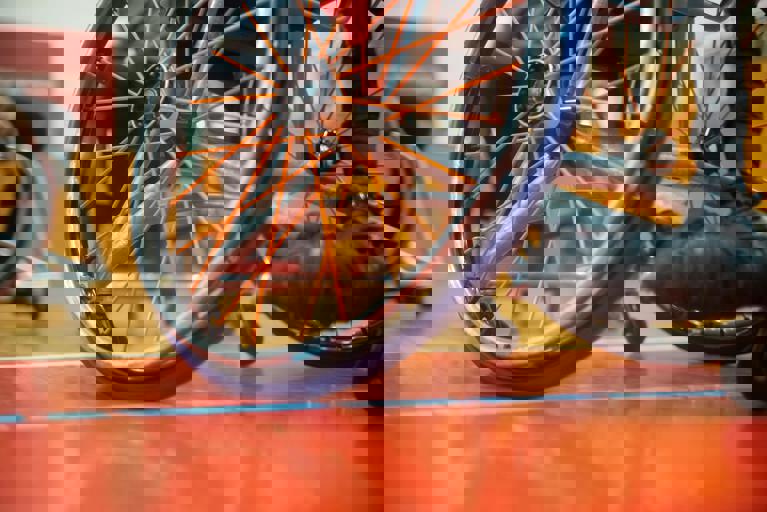
Across Australia, adaptive sports such as wheelchair rugby are experiencing a remarkable surge in popularity, fundamentally changing the landscape of local sports clubs. Once considered a niche activity, wheelchair rugby is now drawing mixed crowds of participants and spectators, reflecting a broader societal shift toward inclusivity. Sporting clubs have begun to recognize the untapped potential within adaptive sports, which is helping to foster more robust and diverse athletic communities across the nation.
The transformation in local sports clubs is being fueled by a deliberate focus on accessibility. Club facilities are increasingly investing in wheelchair ramps, accessible restrooms, and modified equipment to cater to athletes with varying abilities. According to Adaptive Sports Australia, the number of clubs offering wheelchair rugby programs has doubled over the past three years, highlighting the effectiveness of these infrastructural changes in promoting greater participation.
One key driver behind this growing interest is the visibility of wheelchair rugby in major sporting events, particularly the Paralympic Games. Broadcasts and news coverage have showcased the speed, teamwork, and strategy involved, captivating new fans. Vanessa Hall, spokesperson for Rugby AU, observed, “The athleticism and excitement of wheelchair rugby challenge stereotypes and demonstrate that elite competition transcends physical boundaries.”
The inclusive nature of wheelchair rugby has also attracted a diverse range of participants, including those with and without disabilities. Many clubs have started offering "try-it" days where anyone can experience the sport firsthand. This approach has proven effective in breaking down social barriers and misconceptions. As club manager Tom Ridley explained, “When participants play together, it’s not just about the sport—it’s about community connection and mutual respect.”
Participation rates underscore the sport's growing appeal. Sports Australia estimates a 40% increase in adaptive program sign-ups over the last year alone, with wheelchair rugby leading the way among new offerings. This rapid growth is partially attributed to targeted outreach in schools and community centers, where young people are encouraged to give adaptive sports a try and learn about the importance of inclusion.
For many athletes, joining a wheelchair rugby team offers both physical and psychological benefits. Beyond developing strength and stamina, players report a boost in confidence and self-esteem. Angela Wyatt, a player from Victoria, shared her experience: “Playing wheelchair rugby gave me an outlet after my accident. The camaraderie, the challenges, and being part of a team have made a huge positive impact on my life.”
The shift in community perceptions has been profound as more locals witness firsthand the intensity and skill involved in adaptive sports. Spectators often leave matches with newfound admiration for players’ abilities and resilience. According to a recent survey by the Australian Sports Commission, 75% of those who attended a wheelchair rugby match reported a change in attitude toward people with disabilities and a greater appreciation for adaptive sports.
Local clubs are also seeing operational benefits from embracing wheelchair rugby and other adaptive sports. Increased memberships, sponsorship opportunities, and government grants tied to inclusivity initiatives have strengthened financial sustainability. Sporting administrators note that these programs not only diversify revenue streams but also enhance the club's reputation within the community, attracting a wider demographic than traditional sports offerings.
Looking forward, the momentum behind wheelchair rugby shows no signs of waning. As clubs continue to adapt and expand, there is optimism that even more Australians—regardless of their abilities—will have the chance to participate in competitive and recreational sports. With adaptive programs acting as a catalyst for positive social change, wheelchair rugby stands as a powerful example of how sports can unite, inspire, and empower communities across the country.