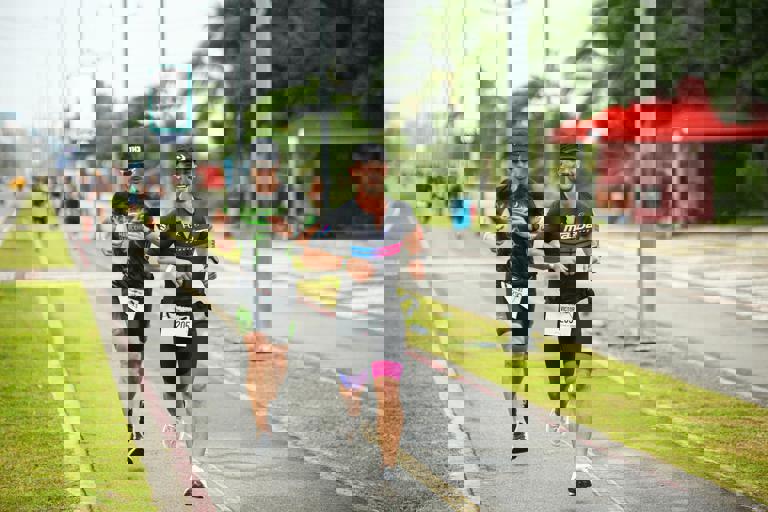
As the anticipated marathon day approaches, organisers are closely monitoring forecasts indicating a significant spike in temperatures. The expected heatwave has turned routine preparations into an urgent logistical challenge, mobilising event staff and volunteers to implement new safety protocols. Race officials are keenly aware that high temperatures can dramatically increase the health risks for runners, especially over long distances, and are determined to mitigate any potential issues associated with heat exposure.
According to Meteorology Australia, temperatures on the day of the marathon could reach well above 35 degrees Celsius, a rare but not unprecedented event for this time of year. "We are urging participants to listen to their bodies and not push beyond their limits," said the marathon director, Anna Carter. She emphasised that marathon runners need to take heat warnings seriously and adjust their pace accordingly to avoid heatstroke or dehydration.
In response to the forecast, organisers have announced that water stations will be doubled along the course, ensuring runners are never far from much-needed hydration. These stations will be manned by medical staff and volunteers trained in recognising symptoms of heat exhaustion. Electrolyte drinks, cooling sponges, and misting tents are set to be distributed along the route to further assist participants in managing the challenging conditions.
Runner safety has become the central focus, with emergency protocols being reviewed and revised in collaboration with local health authorities. Ambulances and mobile first aid teams will be stationed strategically along the marathon path, ready to respond quickly to any calls for assistance. The event's medical coordinator, Dr. Amar Singh, noted, "Prompt intervention is vital, and our teams are prepared for any scenario, from minor cramps to serious heat-related illnesses."
The planning efforts extend beyond just race-day measures. In the lead-up to the marathon, organisers have been disseminating heat safety information through email alerts and social media posts. Training guidance has been provided, advising runners to acclimatise by running during warmer parts of the day and to prioritise hydration in the days leading up to the race. "Preparation is the key," says veteran marathoner Lisa Mullins, reflecting the general sentiment among experienced athletes.
Seasoned marathon runners realise that mental preparation is as important as physical training during extreme weather events. Many athletes are sharing strategies for coping with the heat such as wearing light, moisture-wicking clothing, starting the race at a conservatively slow pace, and recognising early signs of heat distress. Marathon enthusiast George Nguyen commented, "Staying calm and adapting your expectations is crucial—this year, finishing is more important than chasing a personal best."
Spectators have also been advised to take precautions, with shaded viewing areas and additional drinking stations set up for the crowds. Organisers encourage supporters to bring hats, sunscreen, and refillable water bottles, making it clear that everyone's well-being is a priority. Public transport authorities have coordinated to provide extra services and cooling buses, hoping to keep both participants and onlookers comfortable throughout the day.
Ultimately, the marathon will proceed with resilience and adaptability at its core. The event has become a testament to the community’s spirit and the organisers’ commitment to safety amid changing weather patterns. While the heatwave presents tangible risks, every precaution is being taken to ensure the marathon remains a celebration of endurance, determination, and camaraderie—an experience that, if handled thoughtfully, can be both safe and inspiring for all involved.